
2027 Corporate Video Marketing: From a Single Shoot to a Content Ecosystem
2027 video pazarlama trendleri, tek bir kurumsal filmi yayımlayıp beklemekten daha sistemli bir yaklaşımı işaret ediyor olabilir. KOBİ ve üretici firmalar için iyi planla...
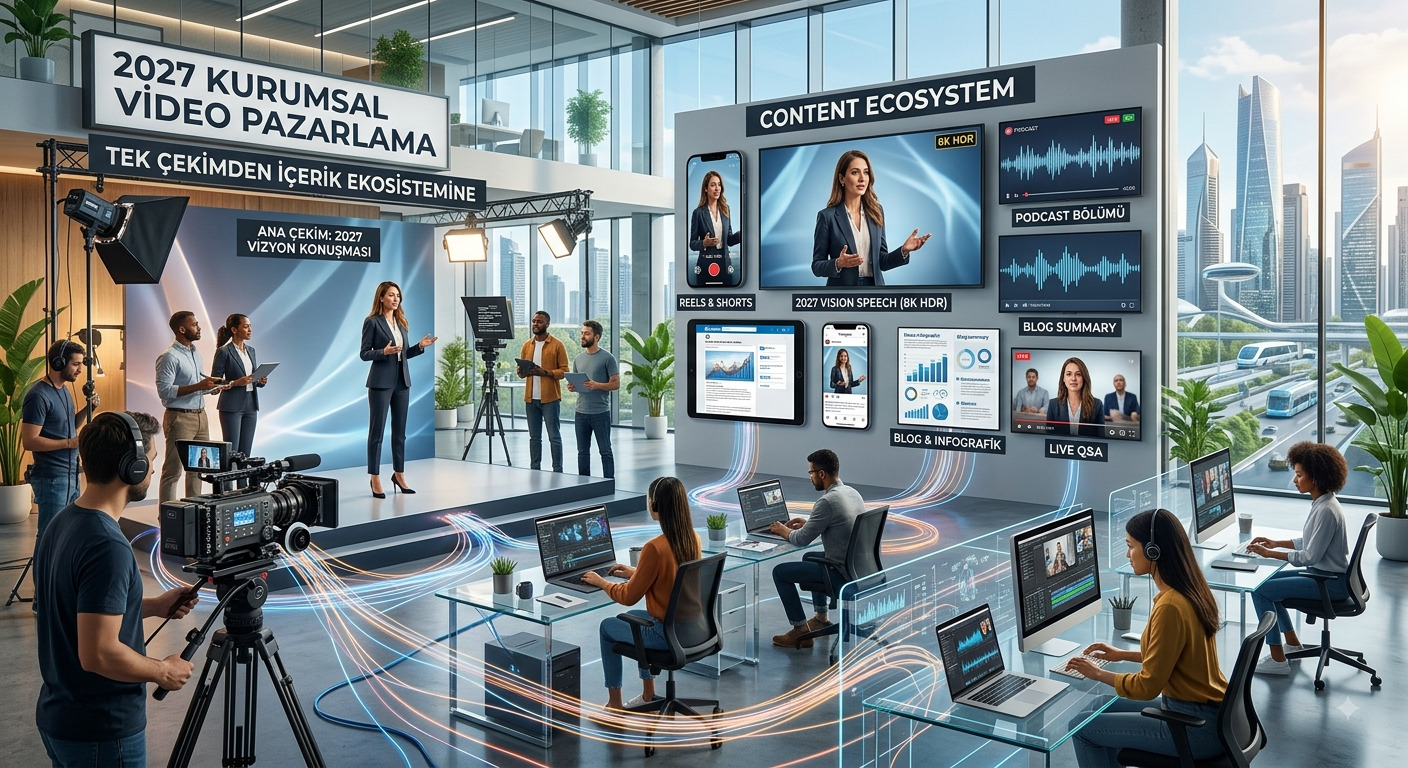
This guide does not present results verified as having occurred in 2027; it gives preparation suggestions based on current video production and distribution practices.
Key Takeaways
- Video should be tied to a specific question in the buying journey.
- Short and vertical derivatives of a long corporate film should be planned at the planning stage.
- Captions and a safe area are necessary for accessibility and multichannel use.
- A script, real evidence and a human face can build more trust than artificial polish.
- Measurement should extend from views to web engagement and qualified inquiries.
Why Should Video Be Tied to the Buying Journey?
A corporate video can answer the question “who are we?”; but customers often ask other questions: What problem does this product solve? How is production quality controlled? What steps does the project go through? What does the team offer after the sale? If the script does not answer these questions, the commercial benefit may remain limited even if the image quality is high.
For manufacturers, the factory, laboratory, machines, team and quality process create concrete evidence. For SMEs, a founder or expert narration can make the scope and way of working of the service visible. If claims cannot be documented, definitive results or guarantee language should not be used.
Long Video and Short Derivatives
Prepare a content matrix before the shoot. The main film can tell the brand story and build trust. The videos derived from it can each focus on a single question: the product’s area of use, the production process, a team introduction, customer questions or a technical explanation.
For each derivative, the following should be determined from the start: platform, aspect ratio, duration, message in the first three seconds, captions, cover image and target action. YouTube’s official resources for creators suggest thinking about the title, thumbnail and publishing approach according to the audience and the purpose of the content [1]. This approach is healthier than uploading the same file to every platform.
Vertical Format, Captions and Accessibility
Vertical video requires a different framing for use on a phone screen. The speaker and product should stay within the screen’s safe area; critical text should not be placed in the bottom and top regions that platform interfaces may cover. If a vertical crop will be made from horizontal footage, a second camera angle or a wider frame can be planned.
Captions matter as much for users who watch with the sound off as for deaf and hard-of-hearing users. W3C’s guidance on media accessibility treats captions and text alternatives as an important part of an accessible video experience [2]. Captions must convey speech accurately; technical terms shown on screen should be checked separately.
Script and Trust
A corporate film script should build a chain of evidence instead of a promotional text full of adjectives: problem, approach, process, team, output and contact step. If a customer’s opinion will be used, permission must be obtained; an internal approval process should also be defined for footage of employees and factory areas.
AI can help with script drafts, storyboards or subtitle correction. However, technical claims, customer quotes, product specifications and brand tone must be verified by an expert. If a scene created with AI will be presented as a real production area in a manufacturer’s video, the viewer must not be misled. Trust is built with transparency before production gloss.
Distribution and Measurement Plan
Before publishing the video, prepare a distribution map: the main web page, service/product pages, YouTube, LinkedIn or Instagram, the sales presentation, email and trade-fair screens. Each channel may have a different copy, aspect ratio, title and goal. On a web page, video should not be left alone; short text, a transcript or the key information should also be provided.
In measurement, the first layer is playback and watch continuity. The second layer is engagement, profile or web clicks. The third layer is forms, phone calls, catalog downloads and qualified inquiries that reach the sales team. A video with a high view count may not bring the right customers; a video with fewer views but inquiries from the target sector may be more valuable.
Aves Dijital’s corporate promotional video service page is the natural internal link for businesses that want to plan scripts, storyboards, filming, post-production, social media formats and animation together.
How many minutes should a corporate video be?
There is no single ideal duration. The length should be set according to the purpose and channel of the main film; shorter, single-question derivatives should be prepared from the same shoot.
Should we work only with professional actors?
Not always. For technical products, narration by a real expert or employee can build trust. What matters is that the presenter is knowledgeable, prepared and clear on camera.
Is video marketing success measured by views alone?
No. Watch quality, clicks, web engagement, forms, phone calls and qualified inquiries should be evaluated together.
Related News

Metaverse Marketing Strategies: How Are Brands Establishing a Presence in Virtual Worlds?

AI Is Revolutionizing Advertising: Creativity and Data Meet in 2026
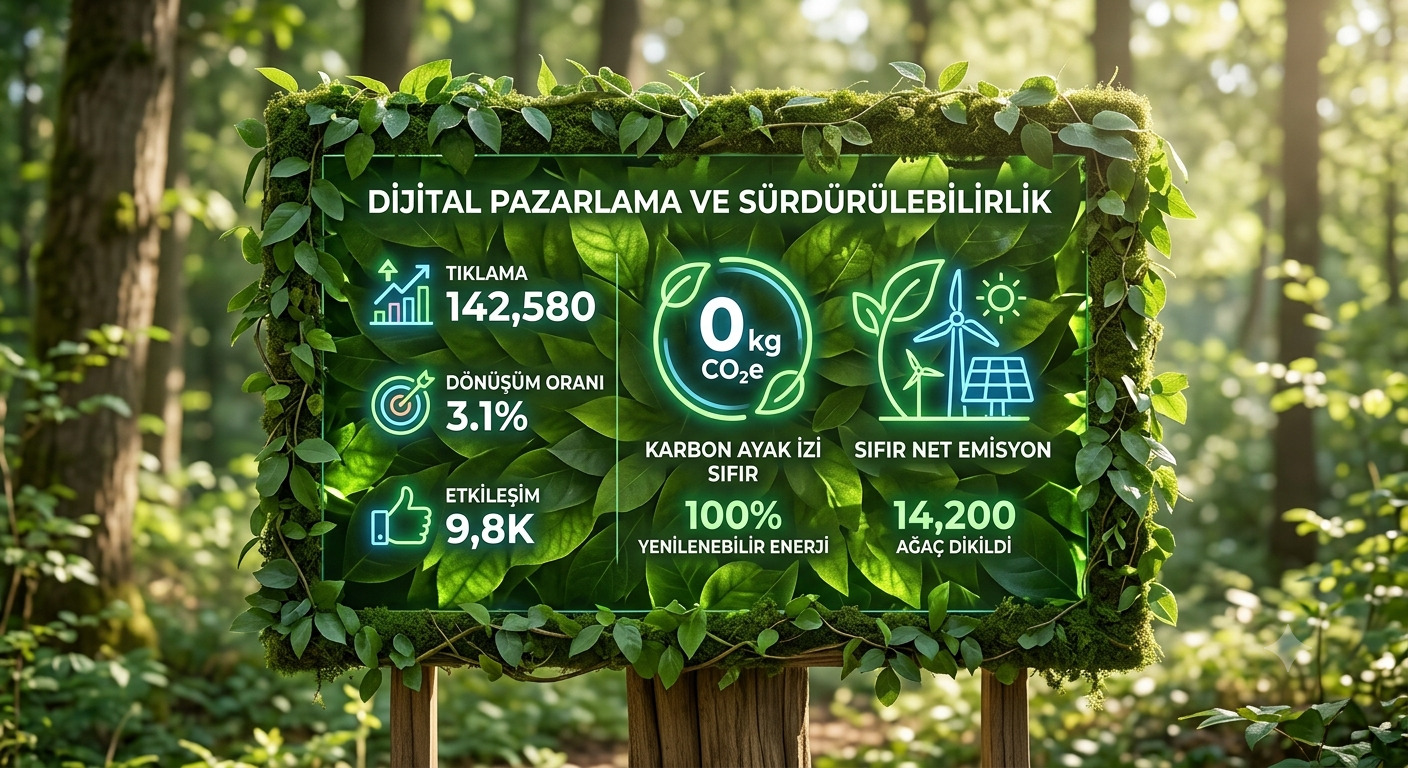
Sustainable Digital Marketing: Eco-Friendly Campaigns Are on the Rise
All News